

When it comes to tubular motors, choosing the right receiver is crucial for ensuring optimal performance and functionality. As a supplier of Receiver for Tubular Motor, I understand the importance of making an informed decision. In this blog post, I'll guide you through the process of comparing different models of receivers for tubular motors, highlighting key factors to consider and providing practical tips to help you select the best option for your needs.
Compatibility
The first and most important factor to consider when comparing receivers for tubular motors is compatibility. Not all receivers are designed to work with every tubular motor model. It's essential to ensure that the receiver you choose is specifically compatible with your tubular motor. This includes checking the voltage requirements, communication protocols, and connection types. Some receivers may be universal and compatible with a wide range of tubular motors, while others are designed for specific brands or models. Before making a purchase, consult the manufacturer's specifications or contact their customer support to confirm compatibility.
Frequency Range
Receivers for tubular motors operate on specific frequency ranges. The most common frequencies used are 315 MHz and 433 MHz. The frequency range you choose depends on various factors, including local regulations, interference levels, and the distance between the remote control and the receiver. In some regions, certain frequency bands may be restricted or require a license to use. It's important to choose a receiver that operates within the legal frequency range in your area. Additionally, consider the potential for interference from other electronic devices. Higher frequencies may offer better resistance to interference but may have a shorter range. Lower frequencies, on the other hand, may have a longer range but may be more susceptible to interference.
Number of Channels
The number of channels available on a receiver determines how many different functions or devices it can control. For example, a receiver with two channels can control two separate tubular motors or perform two different functions on a single motor, such as opening and closing. If you have multiple tubular motors or need to control additional features, such as lighting or ventilation, you'll need a receiver with a sufficient number of channels. Consider your specific requirements and choose a receiver with the appropriate number of channels to meet your needs.
Encryption and Security
Security is a critical consideration when it comes to remote control systems. Receivers for tubular motors should have robust encryption algorithms to prevent unauthorized access and interference. Look for receivers that use advanced encryption methods, such as rolling code technology. Rolling code technology generates a new code every time the remote control is used, making it virtually impossible for hackers to intercept and replicate the signal. Additionally, some receivers may offer additional security features, such as password protection or the ability to pair with specific remote controls.
Range and Signal Strength
The range and signal strength of a receiver determine how far away the remote control can be from the receiver while still maintaining a reliable connection. The range of a receiver can vary depending on several factors, including the frequency, antenna design, and environmental conditions. In general, receivers with higher power output and better antenna designs will have a longer range. However, it's important to note that the actual range may be affected by obstacles, such as walls, furniture, or other electronic devices. When comparing receivers, look for models that offer a sufficient range for your specific application. If you need to control the tubular motor from a long distance or in an area with potential obstacles, consider a receiver with a higher power output or a directional antenna.
Ease of Installation and Configuration
Another important factor to consider is the ease of installation and configuration. Some receivers may require professional installation, while others can be easily installed by the end-user. Look for receivers that come with clear installation instructions and user-friendly interfaces. Additionally, consider the configuration options available. Some receivers may allow you to customize the settings, such as the opening and closing speed, the limit switches, and the sensitivity of the remote control. A receiver that is easy to install and configure can save you time and money in the long run.
Brand Reputation and Customer Support
When purchasing a receiver for a tubular motor, it's important to choose a reputable brand with a proven track record of quality and reliability. Research different brands and read customer reviews to get an idea of their reputation. A well-established brand is more likely to offer high-quality products and reliable customer support. Additionally, consider the warranty and after-sales service offered by the manufacturer. A good warranty can provide peace of mind and protect your investment in case of any defects or malfunctions.
Price
Price is always a consideration when making a purchase. However, it's important not to base your decision solely on price. While it may be tempting to choose the cheapest option, a low-quality receiver may not provide the performance and reliability you need. Instead, look for a receiver that offers a good balance of features, quality, and price. Compare prices from different suppliers and consider the long-term cost of ownership, including maintenance and replacement costs.
Comparing Different Models
Now that you know the key factors to consider when comparing receivers for tubular motors, let's take a look at how to compare different models. Start by making a list of your specific requirements, including compatibility, frequency range, number of channels, encryption, range, and ease of installation. Then, research different models that meet your criteria and compare their features, specifications, and prices. You can find product information and reviews online, or you can visit a local hardware store or specialty retailer to see the products in person. When comparing models, pay attention to the details and look for any differences or trade-offs between the various options.
Conclusion
Choosing the right receiver for your tubular motor is an important decision that can have a significant impact on the performance and functionality of your system. By considering the factors outlined in this blog post, you can make an informed decision and select the best receiver for your needs. Remember to prioritize compatibility, security, range, and ease of installation, and don't forget to compare different models to find the best value for your money.
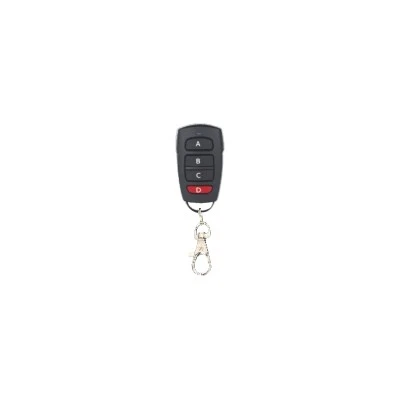

If you're in the market for a Receiver for Tubular Motor, Remote Control for Rolling Door, or Tubular Motor Remote, I encourage you to reach out to us. We're a leading supplier of high-quality receivers and remote controls for tubular motors, and we're committed to providing our customers with the best products and services. Contact us today to discuss your specific requirements and learn more about our products.
References
- Manufacturer's specifications and user manuals for various receivers for tubular motors.
- Industry standards and regulations related to remote control systems.
- Online reviews and customer feedback on different receiver models.


