

Connecting multiple motors to a tubular motor switch is a task that requires careful planning and technical know - how. As a supplier of tubular motor switches, I've encountered numerous customers who are eager to understand the process. In this blog, I'll share some valuable insights on how to achieve this effectively.
Understanding the Basics of Tubular Motor Switches
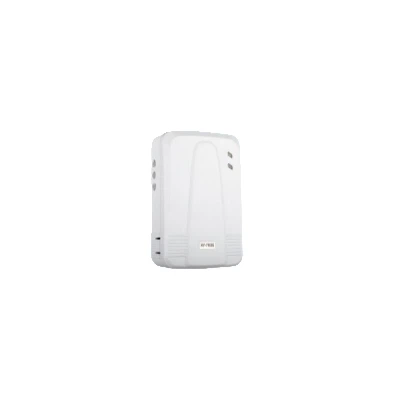
Before delving into the connection process, it's crucial to have a solid understanding of tubular motor switches. A tubular motor switch is a device used to control the operation of tubular motors, which are commonly used in applications such as rolling doors, blinds, and awnings. These switches can be manual or remote - controlled. The Switch For Tubular Motor offers a reliable way to start, stop, and reverse the direction of the motor.
Assessing Your Motor Requirements
The first step in connecting multiple motors to a tubular motor switch is to assess your motor requirements. Different motors have different power ratings, voltage requirements, and control mechanisms. You need to ensure that the tubular motor switch you choose can handle the combined power load of all the motors you want to connect. For instance, if you have three motors with a power rating of 100 watts each, the switch should be able to handle at least 300 watts of power.
Types of Tubular Motor Switches for Multiple Motor Connections
There are several types of tubular motor switches that can be used for connecting multiple motors.
Manual Switches
Manual switches are the simplest type of tubular motor switches. They are operated by hand and are ideal for applications where you need direct control. However, when connecting multiple motors, you may need to install multiple manual switches, which can be cumbersome.
Remote - Controlled Switches
Remote - controlled switches offer greater convenience, especially when dealing with multiple motors. With a Tubular Motor Remote, you can control all the connected motors from a distance. This is particularly useful in large - scale applications such as commercial rolling doors. The Remote Control for Rolling Door is a popular choice for such applications.
Connection Process
Once you've selected the appropriate switch, it's time to start the connection process. Here's a step - by - step guide:
Step 1: Power Off
Before starting any electrical work, make sure to turn off the power supply to the motors. This will prevent any electrical shocks or short - circuits during the connection process.
Step 2: Identify the Motor Wires
Each motor will have a set of wires that need to be connected to the switch. These wires typically include power wires, ground wires, and control wires. Refer to the motor's manual to identify the correct wires.
Step 3: Connect the Power Wires
Connect the power wires of all the motors to the appropriate terminals on the switch. Make sure to follow the color - coding of the wires to ensure a correct connection. For example, the black wire is usually the live wire, the white wire is the neutral wire, and the green or bare wire is the ground wire.
Step 4: Connect the Control Wires
The control wires are used to control the direction and speed of the motors. Connect these wires to the corresponding control terminals on the switch. Again, refer to the motor's manual for the correct connection sequence.
Step 5: Test the Connection
After connecting all the wires, turn on the power supply and test the connection. Use the switch or remote control to start, stop, and reverse the direction of the motors. If any of the motors fail to operate correctly, check the connections for any loose wires or incorrect wiring.
Safety Considerations
When connecting multiple motors to a tubular motor switch, safety should be your top priority. Here are some safety tips to keep in mind:
- Use Proper Insulation: Make sure all the wire connections are properly insulated to prevent any electrical leaks.
- Follow Electrical Codes: Adhere to all local electrical codes and regulations when making the connections.
- Seek Professional Help: If you're not confident in your electrical skills, it's best to seek the help of a professional electrician.
Troubleshooting Common Issues
Even with careful planning and installation, you may encounter some issues when connecting multiple motors to a tubular motor switch. Here are some common issues and their solutions:
Motors Not Starting
If the motors do not start, check the power supply, the wiring connections, and the switch. Make sure the power supply is turned on, the wires are correctly connected, and the switch is functioning properly.

Motors Overheating
If the motors overheat, it could be due to an overloaded switch or incorrect wiring. Check the power rating of the switch and make sure it can handle the combined power load of all the motors. Also, check the wiring for any short - circuits.
Inconsistent Motor Operation
If the motors operate inconsistently, it could be due to a problem with the control wires or the switch. Check the control wire connections and make sure the switch is sending the correct signals to the motors.
Conclusion
Connecting multiple motors to a tubular motor switch is a complex but achievable task. By understanding the basics of tubular motor switches, assessing your motor requirements, choosing the right switch, and following the correct connection process, you can successfully connect multiple motors. As a tubular motor switch supplier, I'm here to assist you with any questions or concerns you may have. Whether you need help with product selection, installation, or troubleshooting, feel free to reach out for a procurement discussion. Our team of experts is ready to provide you with the best solutions for your motor control needs.
References
- Electrical Installation Manuals for Tubular Motors
- Tubular Motor Switch Manufacturer's Guidelines


