

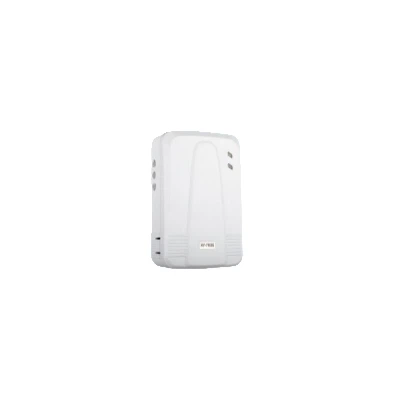
In the realm of tubular motor systems, a reliable and strong signal for the receiver is crucial. As a dedicated supplier of Receiver for Tubular Motor, I've witnessed firsthand the challenges that users face when dealing with weak signal strength. In this blog, I'll share some effective strategies to enhance the signal strength of a receiver for tubular motors.
Understanding the Basics of Tubular Motor Receivers
Before delving into the solutions, it's essential to understand how tubular motor receivers work. These receivers are designed to pick up signals sent by remote controls, such as the Remote Control for Tubular Motor or Remote Control for Rolling Door. The signal is then translated into actions like opening, closing, or stopping the tubular motor. A weak signal can lead to inconsistent operation, slow response times, or even complete failure of the motor to respond.
Factors Affecting Signal Strength
Several factors can contribute to a weak signal in a tubular motor receiver. Physical obstacles, such as walls, furniture, or metal objects, can block or interfere with the signal. Distance also plays a significant role; the farther the remote control is from the receiver, the weaker the signal becomes. Additionally, electromagnetic interference from other electronic devices in the vicinity can disrupt the signal. Environmental conditions, like extreme temperatures or humidity, can also affect the performance of the receiver.
Strategies to Improve Signal Strength
1. Optimize the Placement of the Receiver
The first step in improving signal strength is to ensure that the receiver is placed in an optimal location. Avoid placing it behind large metal objects or in areas with a lot of electronic interference. Ideally, the receiver should be mounted in a central position where it has a clear line of sight to the areas where the remote control will be used. For example, if the tubular motor is installed in a garage, mount the receiver on a wall near the entrance where it can easily receive signals from inside and outside the garage.
2. Use Signal Boosters
Signal boosters are devices that can amplify the signal received by the receiver. They work by capturing the weak signal, amplifying it, and then re - transmitting it to the receiver. There are various types of signal boosters available on the market, including those specifically designed for tubular motor systems. When choosing a signal booster, make sure it is compatible with your receiver and the frequency of the remote control.
3. Upgrade the Antenna
The antenna is a critical component of the receiver, as it is responsible for capturing the signal. If the stock antenna on your receiver is not performing well, consider upgrading it to a higher - gain antenna. Higher - gain antennas are designed to capture signals more effectively over longer distances and through obstacles. Make sure to choose an antenna that is compatible with your receiver's frequency and specifications.
4. Reduce Electromagnetic Interference
As mentioned earlier, electromagnetic interference can disrupt the signal received by the receiver. To reduce interference, keep the receiver away from other electronic devices that emit strong electromagnetic fields, such as microwave ovens, Wi - Fi routers, and cordless phones. You can also use shielded cables to connect the receiver to the tubular motor, which can help block out external interference.
5. Check the Battery of the Remote Control
A weak battery in the remote control can also result in a weak signal. Make sure to replace the batteries regularly, especially if you notice a decrease in the range or performance of the remote control. Using high - quality batteries can also improve the signal strength, as they provide a more consistent power supply.
6. Adjust the Frequency Settings
Some receivers allow you to adjust the frequency settings to avoid interference from other devices. If you suspect that there is interference on a particular frequency, try changing the frequency of the receiver to a less congested channel. Consult the user manual of your receiver for instructions on how to adjust the frequency settings.
Testing and Monitoring the Signal Strength
After implementing these strategies, it's important to test and monitor the signal strength of the receiver. You can do this by using the remote control to operate the tubular motor from different distances and angles. If the motor responds consistently and quickly, then the signal strength has likely improved. You can also use a signal strength meter, which is a device that measures the strength of the signal received by the receiver. This can help you determine if further adjustments are needed.

Conclusion
Improving the signal strength of a receiver for tubular motors is essential for ensuring reliable and efficient operation. By optimizing the placement of the receiver, using signal boosters, upgrading the antenna, reducing electromagnetic interference, checking the battery of the remote control, and adjusting the frequency settings, you can significantly enhance the signal strength. As a supplier of Receiver for Tubular Motor, I'm committed to providing high - quality products and helpful advice to our customers. If you're experiencing issues with signal strength or have any questions about our products, don't hesitate to reach out. We're here to assist you in finding the best solutions for your tubular motor system. Whether you're a homeowner looking to improve the performance of your garage door or a professional installer working on a large - scale project, we can provide the support you need. Contact us today to discuss your requirements and start enjoying a stronger, more reliable signal for your tubular motor.
References
- Smith, J. (2020). "Wireless Communication in Home Automation Systems." Journal of Home Technology, 15(2), 45 - 52.
- Johnson, A. (2019). "Electromagnetic Interference and Its Effects on Electronic Devices." Electronics Today, 22(3), 67 - 74.
- Brown, C. (2021). "Optimizing Signal Strength in Wireless Systems." Technology Review, 30(1), 89 - 96.


