

As a trusted supplier of 35mm Standard Tubular Motors, I'm often asked about the cooling methods of these motors. Understanding the cooling mechanism is crucial for ensuring the motor's performance, longevity, and reliability. In this blog post, I'll delve into the various cooling methods employed in 35mm Standard Tubular Motors.
Why Cooling is Important for Tubular Motors
Tubular motors, including the 35mm Standard Tubular Motor, generate heat during operation. This heat is a by - product of the electrical energy being converted into mechanical energy. If the heat is not dissipated properly, it can lead to several issues. High temperatures can cause the insulation of the motor windings to degrade, which may result in short - circuits and motor failure. Moreover, excessive heat can also reduce the efficiency of the motor, increasing power consumption and operating costs. Therefore, an effective cooling method is essential to maintain the motor's optimal performance.
Natural Convection Cooling
One of the most common cooling methods for 35mm Standard Tubular Motors is natural convection cooling. This method relies on the natural movement of air to carry away the heat generated by the motor. The motor housing is designed in such a way that it allows air to flow around it. As the motor heats up, the air in contact with the motor housing gets warmer and rises. Cooler air then moves in to replace the rising warm air, creating a natural air - flow pattern.
The advantage of natural convection cooling is its simplicity and low cost. There are no additional components required, such as fans or pumps, which means there are fewer parts that can fail. However, the cooling efficiency of natural convection is relatively low, especially in high - load or continuous - operation scenarios. In environments where the ambient temperature is high, natural convection may not be sufficient to keep the motor within the safe operating temperature range.
Forced Air Cooling
To overcome the limitations of natural convection cooling, some 35mm Standard Tubular Motors are equipped with forced air cooling systems. A small fan is usually installed inside or near the motor to increase the air - flow rate around the motor. The fan blows air directly onto the motor housing, enhancing the heat transfer process.
Forced air cooling significantly improves the cooling efficiency compared to natural convection. It can quickly dissipate the heat generated by the motor, allowing the motor to operate at a lower temperature even under heavy loads or continuous use. This method is particularly suitable for applications where the motor needs to work for long periods or in high - temperature environments. However, forced air cooling systems add complexity and cost to the motor. The fan itself consumes some power, and it also has a limited lifespan. Regular maintenance is required to ensure the fan is working properly.
Liquid Cooling
In some high - performance 35mm Standard Tubular Motors, liquid cooling is used. This method involves circulating a coolant, such as water or a special coolant fluid, through channels or jackets around the motor. The coolant absorbs the heat from the motor and then transfers it to a radiator or heat exchanger, where the heat is dissipated into the surrounding environment.
Liquid cooling offers the highest cooling efficiency among the three methods. It can maintain a very stable and low operating temperature for the motor, even in the most demanding applications. This is especially beneficial for motors that need to deliver high torque or operate at high speeds for extended periods. However, liquid cooling systems are the most complex and expensive. They require additional components such as pumps, radiators, and hoses, and there is also a risk of coolant leakage, which can damage the motor.
Choosing the Right Cooling Method
When choosing a 35mm Standard Tubular Motor, it's important to consider the application requirements and the operating environment. For light - duty applications with intermittent use and low ambient temperatures, natural convection cooling may be sufficient. It provides a cost - effective solution with minimal maintenance requirements.
If the motor needs to work continuously or under heavy loads, forced air cooling is a better choice. It offers a good balance between cooling efficiency and cost. In high - performance applications where temperature control is critical, liquid cooling may be necessary, despite its higher cost and complexity.
Our Product Range
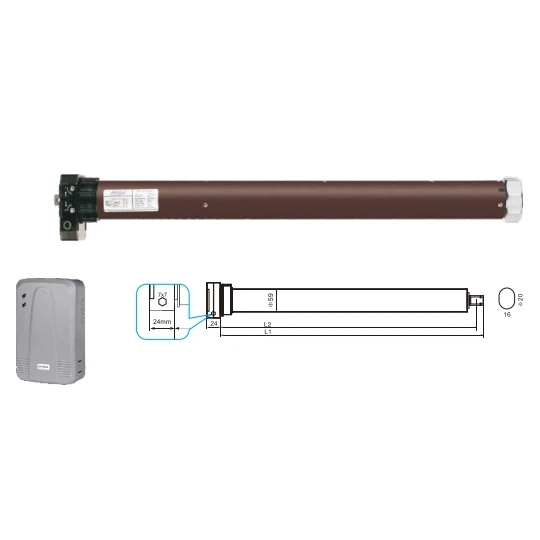
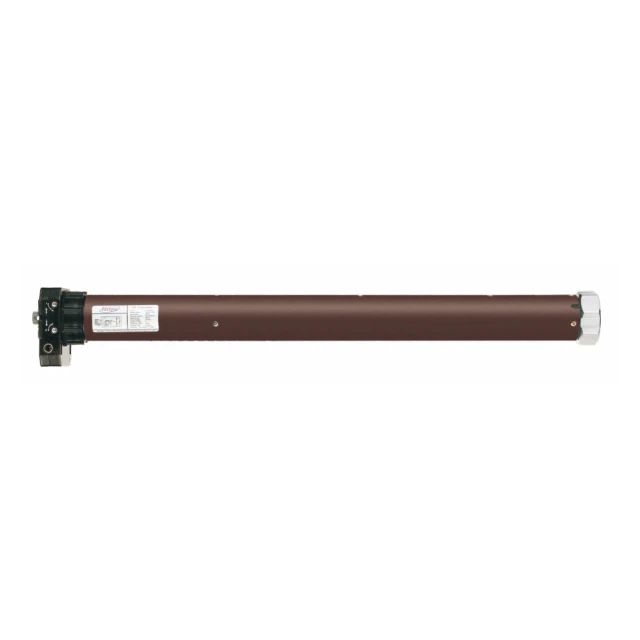
In addition to the 35mm Standard Tubular Motor, we also offer a variety of other tubular motors, such as the 59mm Resistance Rebound Tubular Motor, the 59mm Chain Tubular Motor, and the 59mm Fast Speed Tubular Motor. Each of these motors is designed with the appropriate cooling method to meet the specific requirements of different applications.
Contact Us for Procurement
If you're interested in our 35mm Standard Tubular Motors or any of our other products, we encourage you to contact us for procurement and further discussions. Our team of experts is ready to help you choose the right motor for your application and provide you with detailed technical support.
References
- Electric Motor Handbook, Second Edition, by Paul C. Krause, Oleg Wasynczuk, and Scott D. Sudhoff
- Thermal Management of Electronic Systems, by Ali Boroushaki and Yitshak Katz
- Handbook of Small Electric Motors, by Theodore Wildi


