

Hey there, folks! As a supplier of 45mm Standard Tubular Motors, I get a bunch of questions from customers about maintenance. One of the most common ones is, "What is the frequency of maintenance for a 45mm Standard Tubular Motor?" Well, I'm here to break it down for you in this blog post.
Before we dive into the maintenance frequency, let's quickly talk about what a 45mm Standard Tubular Motor is. These motors are super popular in the market for a variety of applications, like operating roller blinds, awnings, and garage doors. They're designed to be reliable and efficient, but like any mechanical device, they need a bit of TLC to keep running smoothly.
Factors Affecting Maintenance Frequency
The frequency of maintenance for a 45mm Standard Tubular Motor isn't a one - size - fits - all answer. There are several factors that can influence how often you should service it.
Usage Frequency
If your tubular motor is used frequently, say, multiple times a day, it's going to wear out faster than one that's used less often. For example, in a commercial building where the roller blinds are adjusted every hour during business hours, the motor will experience more stress and friction. In such a high - usage scenario, I'd recommend a more frequent maintenance schedule. On the other hand, if it's installed in a rarely - used guest room in a residential property, the maintenance interval can be longer.
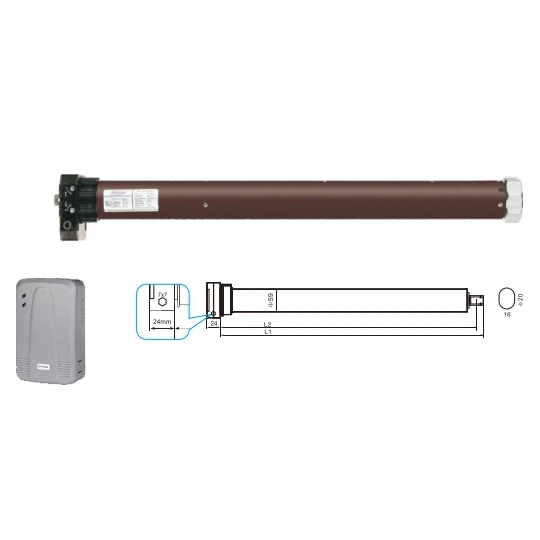

Operating Environment
The environment where the motor is installed plays a huge role. If the motor is exposed to harsh conditions such as high humidity, extreme temperatures, or a lot of dust, it's going to need more attention. For instance, if the motor is used in a coastal area where there's a lot of salt in the air, corrosion can set in more quickly. So, in a corrosive or dirty environment, you'll want to check and maintain the motor more frequently.
Quality of Installation
A properly installed motor is less likely to have problems. If the installation was rushed or not done according to the manufacturer's guidelines, it can lead to premature wear and tear. For example, if the motor isn't aligned correctly, it can cause uneven stress on the components, leading to more frequent breakdowns. So, if you're not sure about the installation quality, it might be a good idea to have the motor checked more often.
Suggested Maintenance Frequencies
Based on the factors above, here are some general guidelines for maintenance frequency:
Light Usage in a Normal Environment
If your 45mm Standard Tubular Motor is used only a few times a week in a relatively clean and temperate environment, you can probably get away with a maintenance check once a year. During this annual check, you should inspect the motor for any signs of wear, such as loose parts, worn - out belts, or frayed wires. You can also lubricate the moving parts to ensure smooth operation.
Moderate Usage
For motors that are used several times a day in a normal environment, I'd recommend a maintenance check every six months. This allows you to catch any potential problems early before they turn into major issues. At each six - month check, you should clean the motor to remove any dust or debris that might have accumulated. You should also test the motor's performance to make sure it's still operating at optimal levels.
Heavy Usage or Harsh Environments
If your motor is used constantly, like in a 24/7 commercial setting, or if it's installed in a harsh environment, monthly maintenance checks are advisable. During these checks, you'll need to be extra thorough. Inspect the electrical connections carefully for any signs of overheating or corrosion. Check the mechanical components for excessive wear and replace any parts that are showing signs of damage.
Importance of Regular Maintenance
Regular maintenance isn't just a hassle - it's crucial for the longevity and performance of your 45mm Standard Tubular Motor. Here's why:
Prevent Breakdowns
By regularly checking and servicing your motor, you can catch small problems before they turn into big breakdowns. A simple loose screw can cause the motor to work harder, leading to premature wear and eventual failure. With regular maintenance, you can fix these small issues quickly and avoid costly repairs or replacements.
Improve Efficiency
An efficiently running motor consumes less energy. Over time, as parts wear out, the motor has to work harder to perform the same tasks. Regular maintenance, such as lubricating the moving parts and tightening loose connections, can help the motor run more smoothly and use less power. This not only saves you money on energy bills but also reduces your carbon footprint.
Ensure Safety
A well - maintained motor is a safe motor. Faulty electrical connections or worn - out mechanical parts can pose a safety hazard, such as electrical shocks or the motor suddenly malfunctioning. Regular maintenance helps to identify and fix these safety issues before they cause any harm.
Other Related Tubular Motors
Besides the 45mm Standard Tubular Motor, we also offer other types of tubular motors that might suit your needs. For example, the 59mm Resistance Rebound Tubular Motor is great for applications that require a bit more power and resistance control. And if you're looking for a motor with a chain drive, our 92mm Chain Tubular Motor is a solid choice. We also have the 45mm Manual Tubular Motor for those times when you want the option of manual operation.
Contact for Purchase
If you're in the market for a 45mm Standard Tubular Motor or any of our other tubular motor products, don't hesitate to reach out. Our team is always ready to help you choose the right motor for your specific needs and provide you with all the information you need about installation, maintenance, and usage. We offer high - quality products at competitive prices, and we're committed to providing excellent customer service. So, if you have any questions or want to start a purchase negotiation, feel free to contact us.
References
- "Handbook of Electric Motor Technology", Smith, John. Publisher: Mechanical Press, 2020.
- "Tubular Motor Installation and Maintenance Guide", Industry Association. Published 2021.


