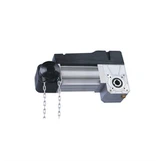
As a supplier of the 45mm Clutch Tubular Motor, I am often asked about the materials used in the housing of this particular product. Understanding the material of the housing is crucial as it directly impacts the motor's performance, durability, and overall quality. In this blog, I will delve into the details of what materials are commonly used for the housing of a 45mm Clutch Tubular Motor.
Importance of the Housing Material
The housing of a tubular motor serves multiple purposes. Firstly, it protects the internal components of the motor from external factors such as dust, moisture, and physical damage. Secondly, it provides structural support to the motor, ensuring that all the parts are held in place and function properly. Thirdly, the housing can also play a role in heat dissipation, which is essential for maintaining the motor's efficiency and preventing overheating.


Common Materials for 45mm Clutch Tubular Motor Housing
Aluminum Alloy
Aluminum alloy is one of the most commonly used materials for the housing of 45mm Clutch Tubular Motors. This material offers several advantages that make it suitable for this application.
- Lightweight: Aluminum alloy is relatively lightweight compared to other metals, which makes the motor easier to handle and install. This is particularly important for applications where the motor needs to be mounted on a structure that may not be able to support a heavy load.
- High Strength: Despite its lightweight, aluminum alloy has good strength properties. It can withstand the mechanical stresses and vibrations that occur during the operation of the motor without deforming or breaking.
- Corrosion Resistance: Aluminum alloy has a natural oxide layer on its surface that provides a certain degree of corrosion resistance. This makes the motor suitable for use in various environments, including outdoor and humid conditions.
- Good Heat Dissipation: Aluminum is a good conductor of heat, which means that the housing can effectively dissipate the heat generated by the motor during operation. This helps to maintain the motor's temperature within a safe range and improves its efficiency and lifespan.
Stainless Steel
Stainless steel is another material that is sometimes used for the housing of 45mm Clutch Tubular Motors, especially in applications where high corrosion resistance is required.
- Excellent Corrosion Resistance: Stainless steel is highly resistant to corrosion, even in harsh environments such as coastal areas or industrial settings where there may be exposure to chemicals or saltwater. This makes it a good choice for motors that need to be used in these types of conditions.
- High Strength and Durability: Stainless steel has high strength and durability, which allows the housing to withstand heavy use and abuse. It can also resist scratches and dents, ensuring that the motor maintains its appearance and functionality over time.
- Aesthetic Appeal: Stainless steel has a sleek and modern appearance, which can enhance the overall look of the motor. This may be important for applications where the motor is visible or where a high - quality aesthetic is desired.
Plastic
In some cases, plastic may be used for the housing of 45mm Clutch Tubular Motors, especially for low - cost or less demanding applications.
- Low Cost: Plastic is generally less expensive than metal materials, which can help to reduce the overall cost of the motor. This makes it an attractive option for budget - conscious customers.
- Easy to Mold: Plastic can be easily molded into complex shapes, which allows for more design flexibility. This can be useful for creating housings that are optimized for specific applications or for integrating additional features.
- Insulation Properties: Plastic is an electrical insulator, which can provide some protection against electrical shocks. It can also help to reduce noise and vibration transmission.
However, plastic also has some limitations. It may not be as strong or durable as metal materials, and it may be more prone to damage from heat, sunlight, or chemicals.
Comparison of Materials
When choosing the material for the housing of a 45mm Clutch Tubular Motor, it is important to consider the specific requirements of the application. Here is a comparison of the three materials mentioned above:
| Material | Advantages | Disadvantages |
|---|---|---|
| Aluminum Alloy | Lightweight, high strength, corrosion resistance, good heat dissipation | May be more expensive than plastic |
| Stainless Steel | Excellent corrosion resistance, high strength and durability, aesthetic appeal | Heavy and more expensive than aluminum alloy |
| Plastic | Low cost, easy to mold, insulation properties | Less strong and durable, prone to damage from heat and chemicals |
Our Product Offerings
As a supplier, we offer 45mm Clutch Tubular Motors with different housing materials to meet the diverse needs of our customers. Our 45mm Clutch Tubular Motor with an aluminum alloy housing is a popular choice due to its combination of lightweight, strength, and heat dissipation properties. We also have options for stainless steel and plastic housings for customers who have specific requirements.
In addition to the 45mm Clutch Tubular Motor, we also offer other types of tubular motors, such as the 35mm Standard Tubular Motor and the 92mm Chain Tubular Motor. Each of these motors is designed with high - quality materials and advanced technology to ensure reliable performance.
Conclusion
The material of the housing of a 45mm Clutch Tubular Motor plays a crucial role in its performance, durability, and overall quality. Aluminum alloy, stainless steel, and plastic are the most common materials used, each with its own advantages and disadvantages. By understanding the specific requirements of the application, customers can choose the most suitable material for their needs.
If you are interested in our 45mm Clutch Tubular Motors or any of our other products, we encourage you to contact us for more information and to discuss your specific requirements. Our team of experts is ready to assist you in finding the right solution for your application.
References
- "Handbook of Materials Selection" by ASM International
- "Mechanical Engineering Design" by Joseph E. Shigley and Charles R. Mischke