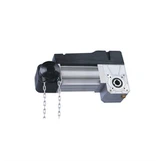
Hey there! I'm a supplier of Spring for Shutter, and today I wanna chat about how to manage sessions in Spring for Shutter. If you're in the market for Spring for Shutter, you're in the right place. Let's dive right in!
First off, what exactly are sessions in the context of Spring for Shutter? Well, sessions are like little pockets of information that your system can use to keep track of different interactions related to the shutters. For example, when a customer is browsing through different types of springs for their shutters, the system can use sessions to remember what they've looked at, what options they've considered, and even where they left off in the purchasing process.
One of the key things to understand about session management is that it helps in providing a seamless user experience. Imagine a customer comes to your website, checks out a few Spring for Shutter options, and then has to leave for a bit. When they come back, they don't want to start all over again. That's where session management steps in. It remembers their previous actions and allows them to pick up right where they left off.
So, how do you go about managing these sessions effectively?
1. Session Initialization
The first step is to initialize the session when a user first lands on your site. In a Spring for Shutter application, this can be done using Spring's built - in session management features. When a user requests a page related to shutters, you can create a new session for them. This session will have a unique identifier that the system can use to track the user's actions.
import javax.servlet.http.HttpServletRequest;
import javax.servlet.http.HttpSession;

// In your controller method
public String handleShutterRequest(HttpServletRequest request) {
    HttpSession session = request.getSession(true);
    // You can set initial attributes here, like the user's entry point
    session.setAttribute("entryPage", "shutterSpringList");
    return "shutterPage";
}
This code creates a new session if one doesn't already exist and sets an initial attribute that can be useful for tracking the user's journey.
2. Session Attribute Management
Once the session is initialized, you need to manage the attributes within it. Attributes are like little pieces of data that you can store in the session. For example, if a user selects a specific type of Spring for Shutter, you can store that information as an attribute in the session.
// In another controller method, when the user selects a spring
public String selectSpring(HttpServletRequest request, String springId) {
    HttpSession session = request.getSession(false);
    if (session != null) {
        session.setAttribute("selectedSpringId", springId);
    }
    return "springDetails";
}
This way, you can keep track of the user's preferences and use that information later, maybe for showing related products or for the checkout process.
3. Session Timeout
You don't want sessions to last forever. If a user abandons their session and doesn't come back, keeping the session alive takes up server resources. That's why you need to set a reasonable session timeout. In a Spring application, you can configure the session timeout in the web.xml file or using Java - based configuration.


<session-config>
    <session-timeout>30</session-timeout>
</session-config>
This sets the session timeout to 30 minutes. After 30 minutes of inactivity, the session will expire, and the user will have to start a new one if they come back.
4. Session Persistence
Sometimes, you might want to persist the session data across server restarts or in case of a system failure. Spring provides options for session persistence. You can use technologies like Redis or a database to store session data.
import org.springframework.session.data.redis.config.annotation.web.http.EnableRedisHttpSession;

@EnableRedisHttpSession(maxInactiveIntervalInSeconds = 1800)
public class ShutterSessionConfig {
    // Configuration for Redis connection and other settings
}
This code enables Redis - based session persistence with a maximum inactive interval of 1800 seconds (30 minutes).
5. Security Considerations
Session management also has a big security aspect. You need to make sure that the session data is secure. One way to do this is by using HTTPS for all your connections. When a user is browsing for Spring for Shutter products, you don't want their session data to be intercepted by a third - party.
Another security measure is to validate the session data. For example, if a user tries to modify the session attributes in an unauthorized way, your system should detect and reject such attempts.
import javax.servlet.http.HttpServletRequest;
import javax.servlet.http.HttpSession;

public boolean validateSession(HttpServletRequest request) {
    HttpSession session = request.getSession(false);
    if (session != null) {
        String selectedSpringId = (String) session.getAttribute("selectedSpringId");
        // You can add more complex validation logic here
        if (selectedSpringId != null && selectedSpringId.matches("^[a-zA-Z0-9]+$")) {
            return true;
        }
    }
    return false;
}
This code validates the selectedSpringId attribute in the session to make sure it follows a certain pattern.
Related Products and Their Role in Session - Related Processes
When managing sessions for Spring for Shutter, it's also important to consider related products like Bearing Bracket and Roller Shutter Bearing And Bracket. These products are often purchased along with springs for shutters.
If a user is looking at a Spring for Shutter, you can use session management to recommend related Bearing Bracket products. For example, you can set an attribute in the session when a user views a particular spring and then use that information to display relevant bearing brackets on the next page.
// When a user views a spring
public String viewSpring(HttpServletRequest request, String springId) {
    HttpSession session = request.getSession(false);
    if (session != null) {
        session.setAttribute("viewedSpringId", springId);
        // You can use this information later to recommend related bearing brackets
    }
    return "springView";
}
Conclusion
Managing sessions in a Spring for Shutter application is crucial for providing a great user experience. It helps in remembering user actions, providing personalized recommendations, and ensuring a seamless shopping process. By following the steps of session initialization, attribute management, setting appropriate timeouts, persisting sessions, and considering security aspects, you can create a robust session management system.
If you're in the market for high - quality Spring for Shutter, Bearing Bracket, or Roller Shutter Bearing And Bracket, and you want to discuss how session management can enhance your business, don't hesitate to reach out. We're here to help you optimize your Spring for Shutter application and make your customers' experience top - notch.
References
- Spring Framework Documentation
- Java Servlet Specification
- Redis Documentation