Hey there! As a supplier in the Door Access Control business, I've seen firsthand how crucial access control panels are in a door access control system. In this blog, I'm gonna break down the functions of an access control panel and why it's a game - changer for security.
1. Centralized Management
One of the primary functions of an access control panel is centralized management. Think of it as the brain of the entire door access control system. With a single access control panel, you can manage multiple doors across a building or a complex.
Let's say you own a large office building with multiple entrances and exits. Instead of having separate systems for each door, the access control panel allows you to control who can enter and exit each door from one central location. You can grant or revoke access permissions for different users, set up schedules for access, and monitor all door activities in real - time.
For example, you can give your employees access to certain areas during working hours only. At night or on weekends, those doors will be locked, and only authorized security personnel will have access. This not only enhances security but also makes it much easier to manage access rights for a large number of people.
2. User Authentication
Access control panels play a vital role in user authentication. They support various authentication methods, such as key cards, biometric scanners (fingerprint, facial recognition), and PIN codes.
When a user tries to access a door, the access control panel verifies their identity. If the authentication is successful, the panel sends a signal to the door lock to unlock. For instance, if an employee swipes their key card at the door, the access control panel reads the card's information and checks it against the pre - stored database of authorized users. If the card is valid, the door opens.
Biometric authentication adds an extra layer of security. Fingerprint scanners are highly accurate and difficult to fake. Facial recognition technology has also become more advanced, allowing for quick and reliable authentication. PIN codes are another option, where users enter a unique code on a keypad. The access control panel then validates the code to determine if access should be granted.
3. Alarm and Monitoring
Access control panels are equipped with alarm and monitoring capabilities. They can detect unauthorized access attempts and trigger an alarm. For example, if someone tries to force open a door or uses an invalid access card, the panel will send an alert to the security personnel.
In addition to intrusion alarms, the access control panel can also monitor other events, such as door propping. If a door is left open for too long, the panel can send a notification, which is useful for maintaining security and energy efficiency.
The panel also keeps a detailed log of all access events. This log can be used for auditing purposes, such as investigating security incidents or tracking employee attendance. You can review the log to see who accessed a particular door at what time, which is invaluable for security management.
4. Integration with Other Systems
Access control panels can integrate with other security and building management systems. For example, they can be integrated with CCTV cameras. When an access event occurs, the panel can trigger the CCTV camera to start recording, providing visual evidence of the event.
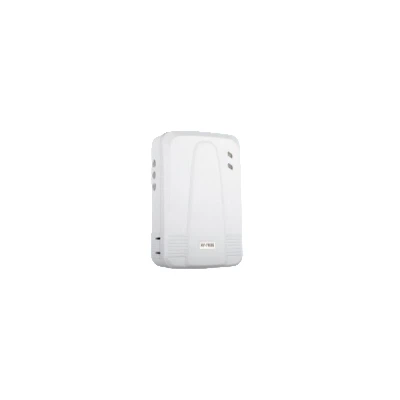

They can also be integrated with fire alarm systems. In case of a fire, the access control panel can unlock all the doors to allow for a quick and safe evacuation. This integration ensures that different security and safety systems work together seamlessly, enhancing the overall security and functionality of the building.
5. Remote Control
With the advancement of technology, many access control panels now support remote control. This means that you can manage the door access control system from anywhere in the world using a smartphone, tablet, or computer.
For example, if you're on vacation and you need to grant access to a contractor to your office, you can simply log in to the access control panel's remote management interface and give them temporary access. Remote control also allows for quick response to security issues. If you receive an alarm notification, you can check the system status and take appropriate action immediately.
If you're interested in remote control options for your access control system, you can check out our Remote Control for Rolling Door and Remote Control for Tubular Motor products.
6. Customization and Scalability
Access control panels offer a high degree of customization. You can configure the system according to your specific security requirements. For example, you can set up different levels of access for different user groups. Managers may have access to all areas of the building, while regular employees may only have access to their work areas.
They are also scalable. Whether you have a small office with a few doors or a large campus with hundreds of doors, the access control panel can be expanded to meet your needs. You can add more doors, users, and authentication devices as your business grows.
Why Choose Our Door Access Control Products
At our company, we offer high - quality Door Access Control solutions. Our access control panels are designed with the latest technology to provide reliable and secure access management.
We have a wide range of authentication options to suit different needs and budgets. Our panels are easy to install and use, and our customer support team is always ready to help you with any questions or issues.
If you're looking to upgrade your security system or install a new door access control system, we'd love to have a chat with you. Contact us to discuss your requirements, and we'll work with you to find the best solution for your business.
References
- "Access Control Systems: A Complete Guide" by Security Magazine
- "The Future of Door Access Control" by Building Security Journal
- Various industry whitepapers on access control technology