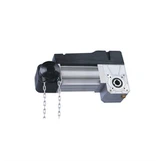
Hey there! As a door access control supplier, I've seen firsthand how crucial these systems are in today's world. Whether it's for a small office, a large corporate building, or even a residential property, door access control plays a vital role in security and convenience. So, let's dive into how door access control works.
The Basics of Door Access Control
At its core, door access control is all about managing who can enter and exit a specific area. It replaces the traditional lock - and - key system with a more advanced and secure method. The main components of a door access control system typically include an access reader, an electric lock, a control panel, and a database of authorized users.
The access reader is the part that the user interacts with. It can be a card reader, a keypad, a fingerprint scanner, or even a facial recognition device. When an authorized user presents their access credential (like a key card, enters a PIN, or uses biometric data), the access reader sends a signal to the control panel.
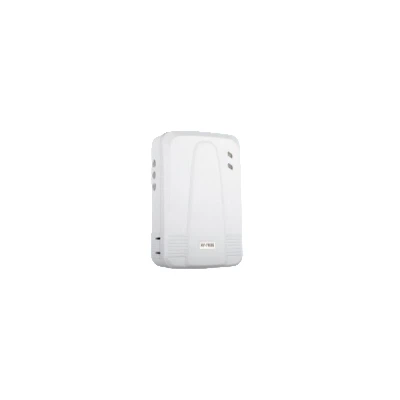

The control panel is like the brain of the system. It receives the signal from the access reader and checks it against the database of authorized users. If the credential is valid, the control panel sends a signal to the electric lock to unlock the door. If it's not valid, the lock remains engaged, and the door stays shut.
Different Types of Access Credentials
Let's talk about the various access credentials that can be used in a door access control system.
Key Cards
Key cards are one of the most common types of access credentials. They work on the principle of radio - frequency identification (RFID). The card has a small microchip and an antenna that stores the user's unique identification information. When the card is held near the access reader, the reader sends out a radio signal that powers the card's antenna. The card then sends back its stored information to the reader, which is then sent to the control panel for verification. You can find some great Switch For Tubular Motor that can be integrated with key - card - based access control systems for added convenience.
PIN Codes
PIN codes are another simple yet effective way to gain access. Users enter a unique numeric code on a keypad. The keypad sends the entered code to the control panel, which checks it against the authorized database. PIN codes are easy to change if needed, making them a flexible option. However, they do have a drawback - if someone finds out your PIN, they can gain unauthorized access.
Biometric Data
Biometric access control uses unique physical characteristics of a person, such as fingerprints, facial features, or iris patterns. Biometric scanners are highly accurate and secure because it's very difficult to replicate someone's biometric data. For example, a fingerprint scanner captures the unique ridges and patterns on a person's finger. The scanner then compares this data with the stored template in the database. If there's a match, access is granted. Biometric access control is becoming more and more popular, especially in high - security environments.
How the Control Panel Manages Access
The control panel is the heart of the door access control system. It manages all the access requests and keeps track of who enters and exits the premises.
The control panel stores the database of authorized users. This database contains information about each user's access credentials, such as their key - card number, PIN code, or biometric template. When an access request comes in, the control panel quickly searches through this database to verify the user's identity.
It also has the ability to set different levels of access. For example, in a large building, some areas may be restricted to only certain employees. The control panel can be programmed to allow access to specific doors or floors based on the user's job role or security clearance.
In addition, the control panel can generate detailed reports. These reports show when a door was accessed, who accessed it, and from which access point. This information can be very useful for security audits and investigations.
Integration with Other Systems
Door access control systems don't work in isolation. They can be integrated with other security and building management systems for enhanced functionality.
Surveillance Cameras
Integrating door access control with surveillance cameras is a great way to improve security. When a door is accessed, the control panel can trigger the cameras to start recording. This provides a visual record of who entered the area at a specific time. If there's any suspicious activity, the recorded footage can be reviewed later.
Alarm Systems
Door access control can also be connected to alarm systems. If an unauthorized access attempt is made, the control panel can send a signal to the alarm system, which will then sound an alert. This not only deters potential intruders but also notifies security personnel immediately.
Building Management Systems
In large commercial buildings, door access control can be integrated with the building management system. This allows for centralized control of various building functions, such as lighting, heating, and ventilation. For example, when an employee enters the building using their access credential, the system can automatically turn on the lights in their office and adjust the temperature to a pre - set level.
Remote Control and Monitoring
With the advancement of technology, many door access control systems now offer remote control and monitoring capabilities.
Using a smartphone app or a web - based interface, administrators can manage access control from anywhere. They can add or remove users from the database, change access permissions, and even unlock doors remotely if necessary. This is especially useful for property managers who need to grant access to maintenance staff or guests when they're not on - site.
Remote monitoring also allows administrators to keep an eye on access activity in real - time. They can receive alerts on their phones if there's an unauthorized access attempt or if a door has been left open for too long.
Why You Need a Door Access Control System
There are several reasons why you should consider installing a door access control system.
Enhanced Security
The most obvious benefit is improved security. Traditional locks can be picked or keys can be lost or stolen. With a door access control system, only authorized users can enter the premises. Biometric access control, in particular, provides a high level of security because it's very difficult to fake someone's fingerprints or facial features.
Convenience
Door access control systems are also very convenient. You don't have to carry around a bunch of keys, and you can easily change access permissions if needed. For example, if an employee leaves the company, their access can be immediately revoked.
Cost - Effectiveness
In the long run, door access control systems can be cost - effective. You don't have to constantly replace lost keys or re - key locks. And the detailed reports generated by the system can help you identify areas where security can be improved, potentially saving you money on security breaches.
Conclusion
So, there you have it - a detailed look at how door access control works. As a door access control supplier, I can tell you that these systems are an essential part of modern security. Whether you're looking for a simple system for your small business or a complex solution for a large corporate campus, there's a door access control system that's right for you.
If you're interested in learning more about our door access control products or have any questions about how they can be customized to fit your needs, don't hesitate to reach out. We're here to help you find the best solution for your security requirements. Whether you need a Remote Control for Rolling Shutter or a Remote Control for Rolling Door, we've got you covered. Let's start a conversation and see how we can improve your security and convenience.
References
- "Security Systems Handbook" by Peter C. King
- "Building Automation and Control Systems" by Mark A. Kuhar